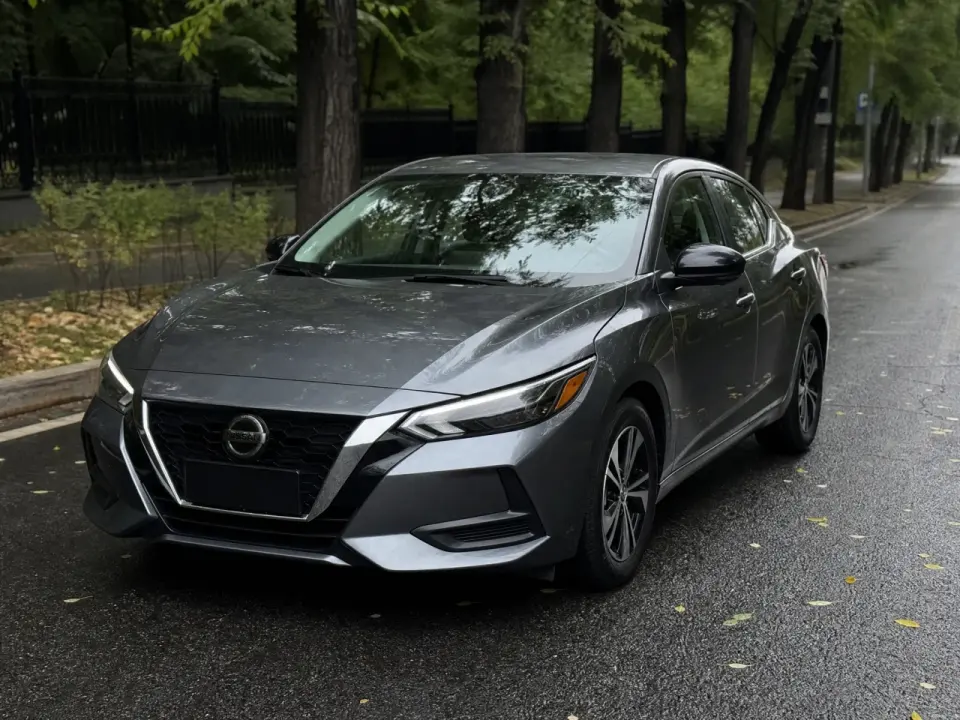
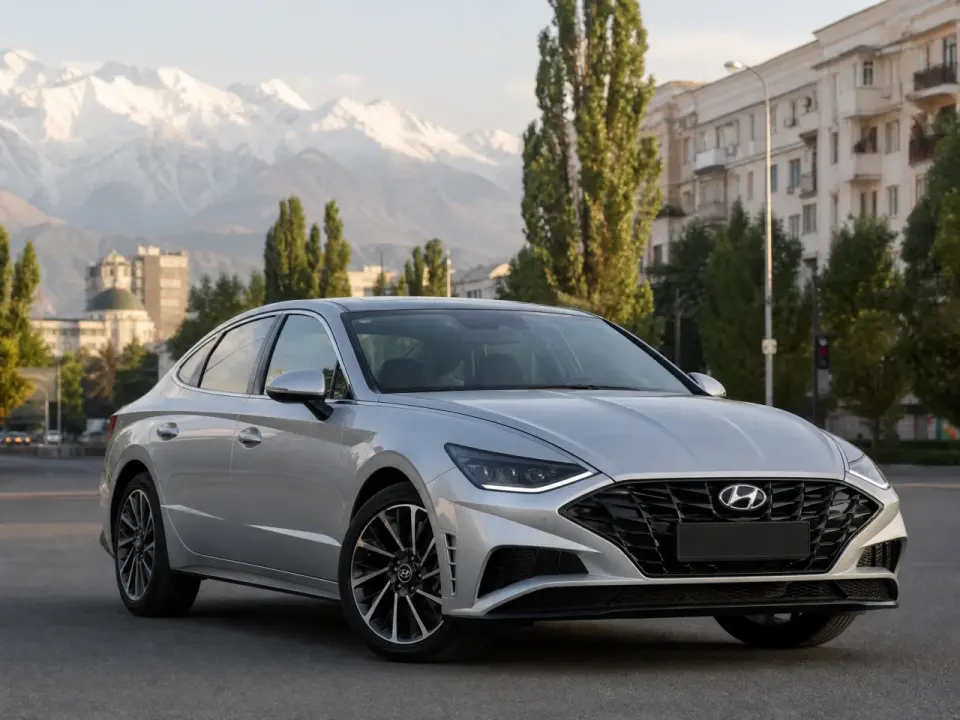
Nissan Sentra
★5· 86Automatic2.0 L149 hpFront5 seats
22 990 ₸per day
Book now

Long-term car rental in Almaty means a fixed daily rate for a month or more, full maintenance and insurance. Our fleet includes 8 models from Hyundai i20 to Volkswagen Arteon. We work directly, no intermediaries.
Choose a car 3 min


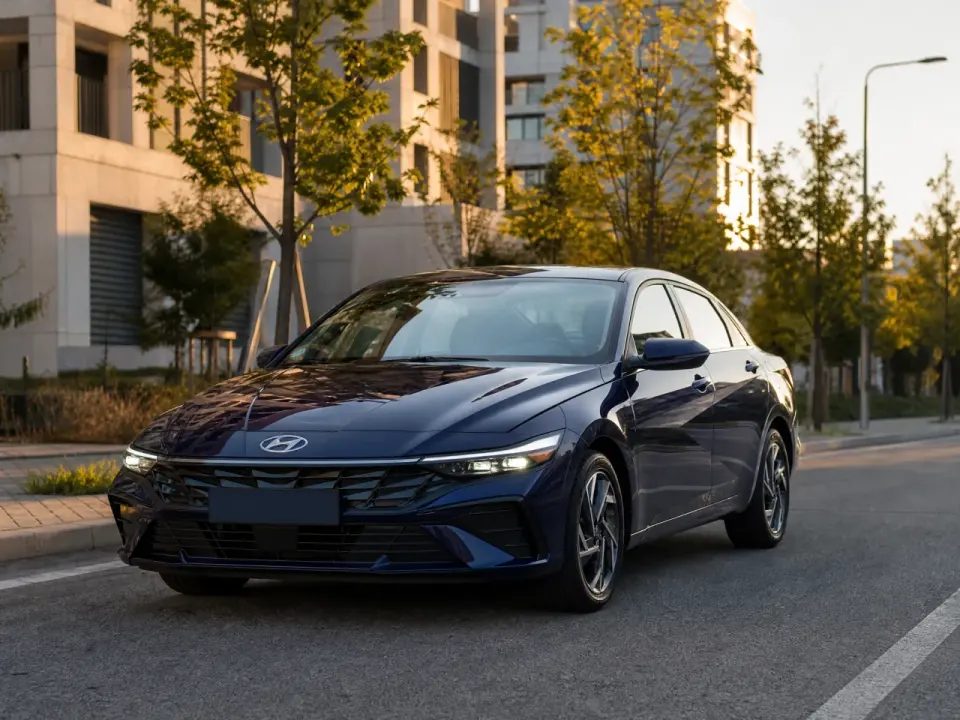
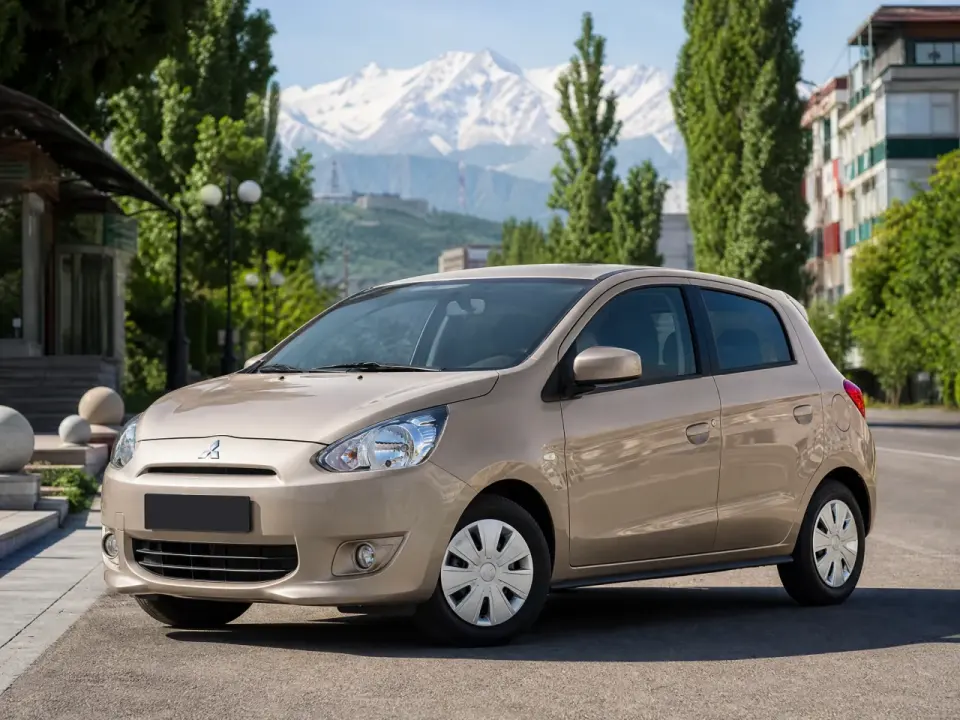
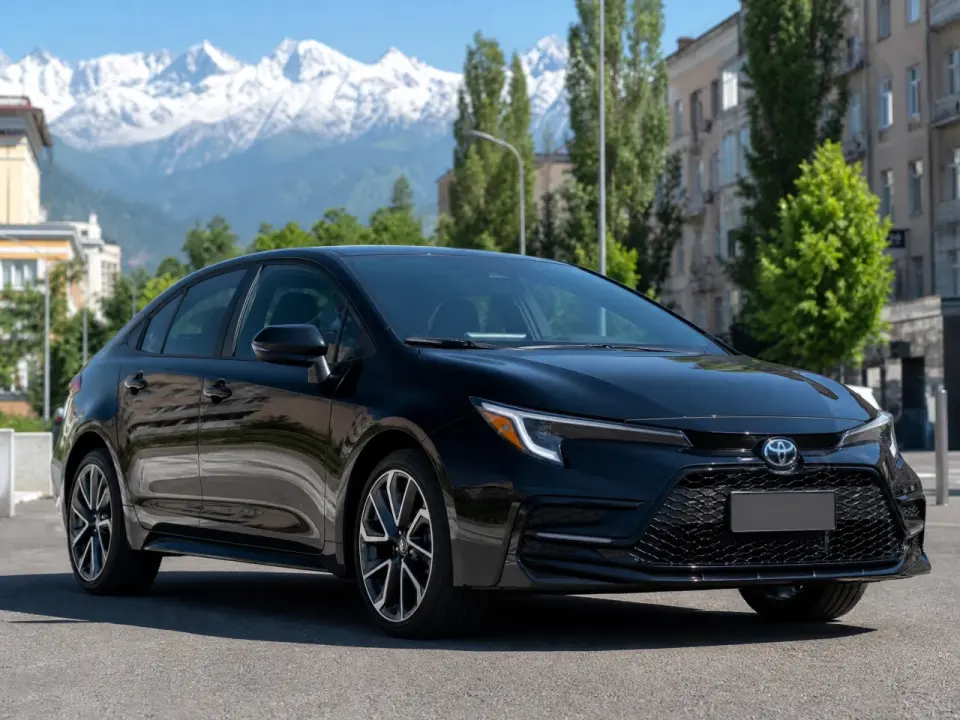
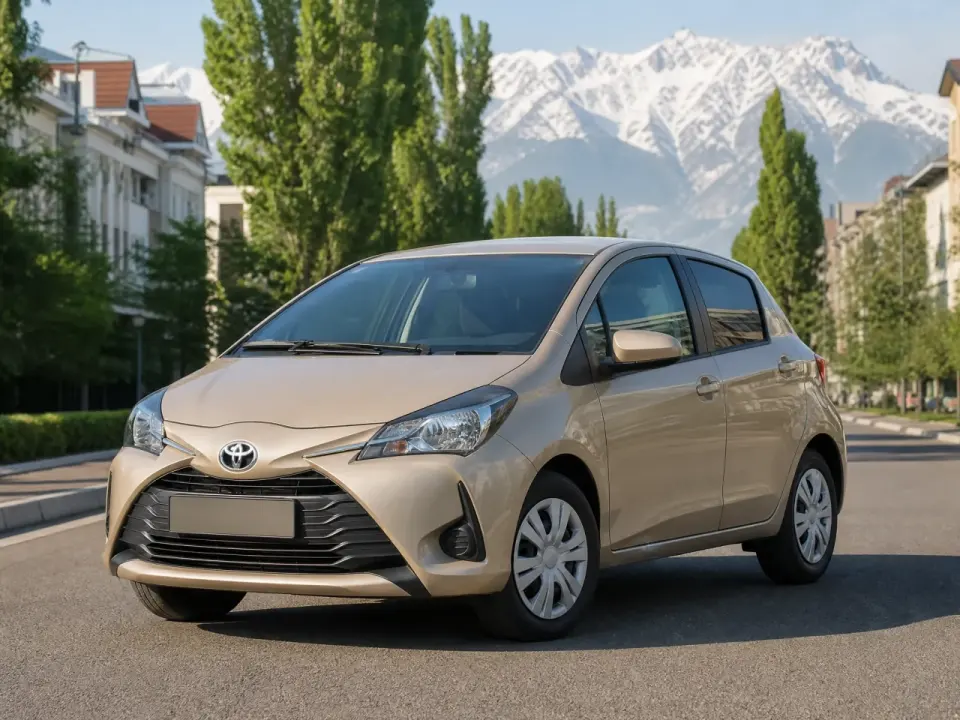
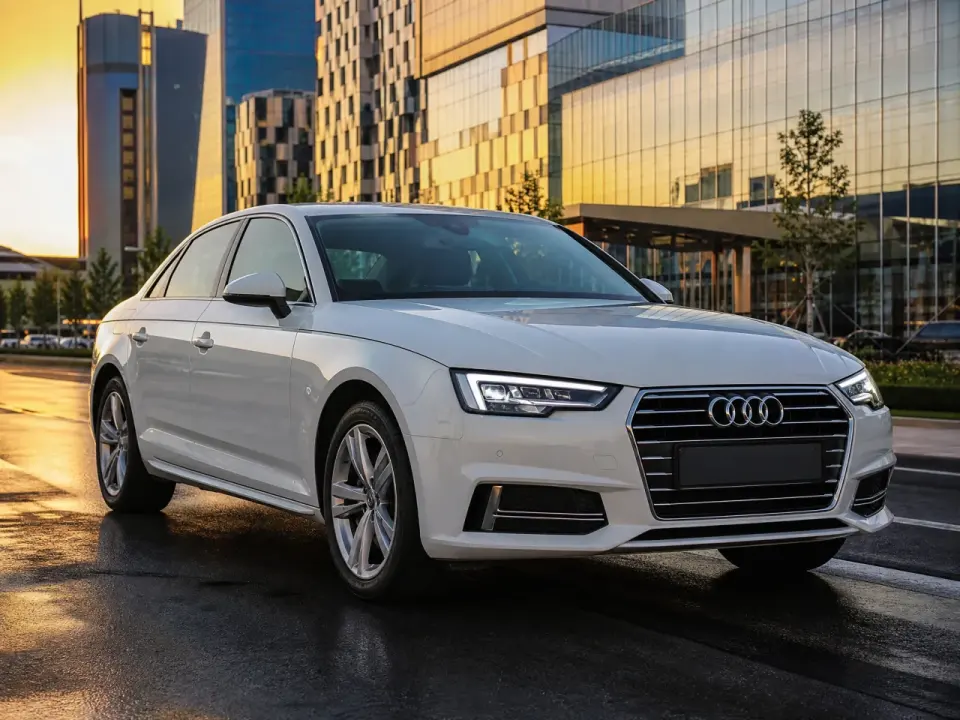
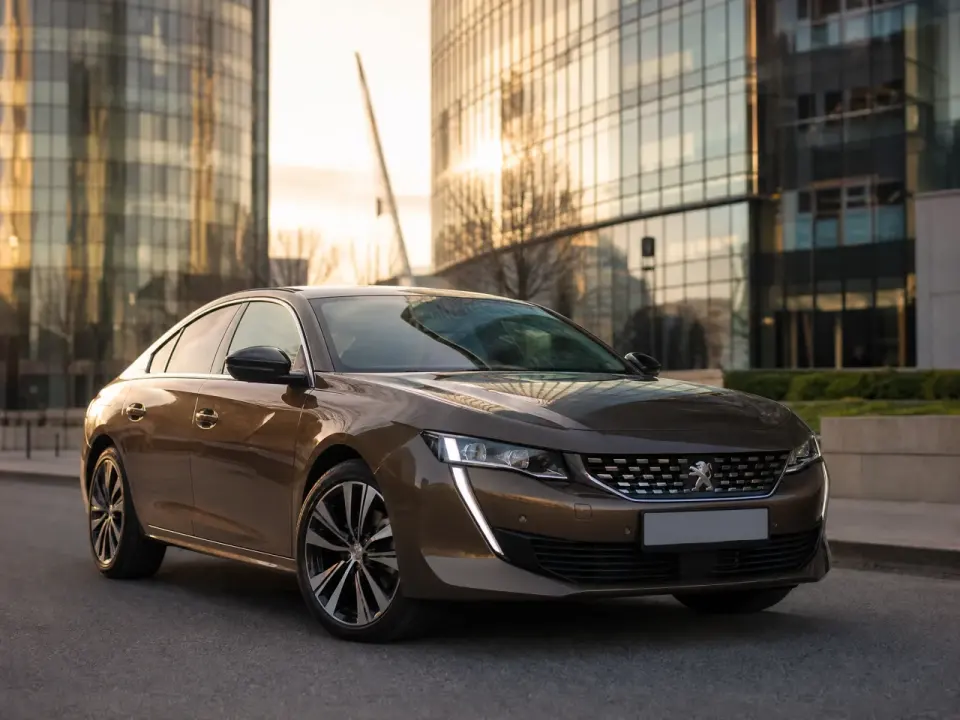
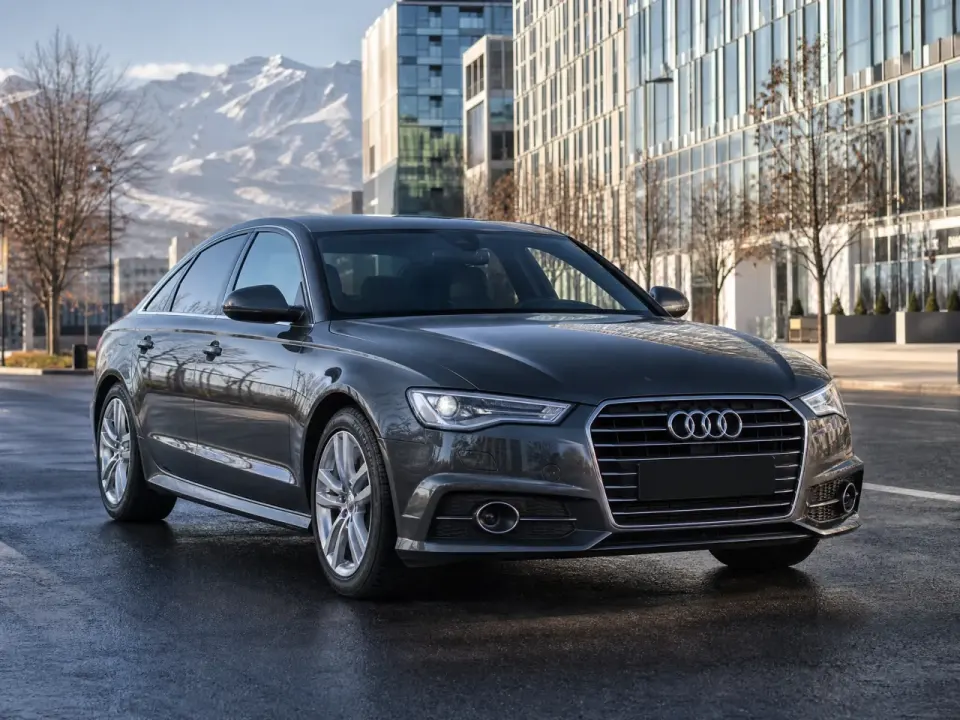
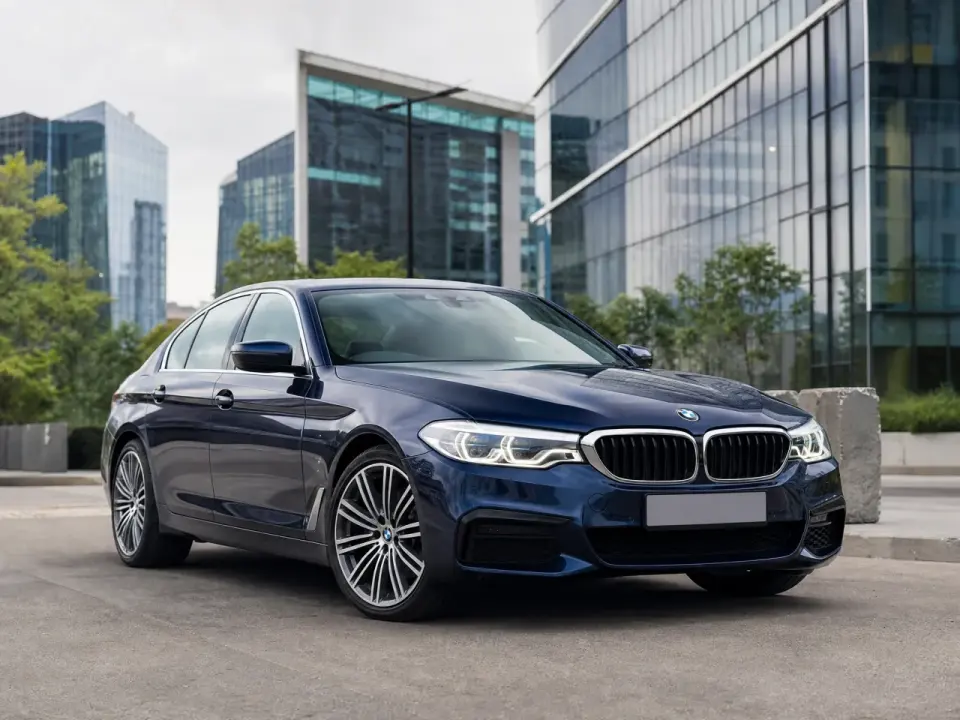
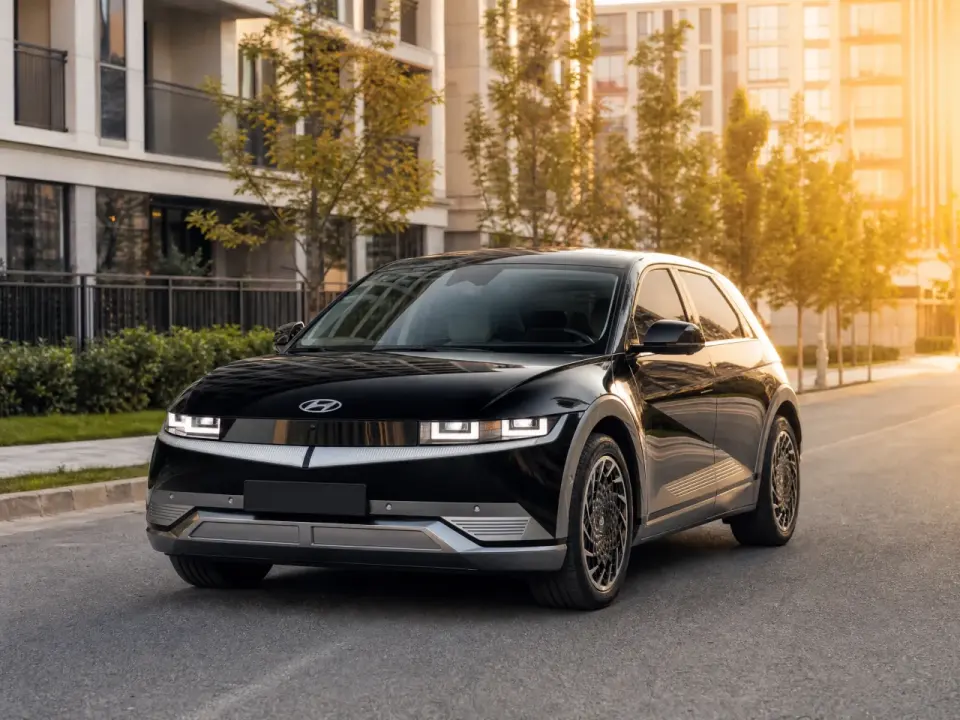
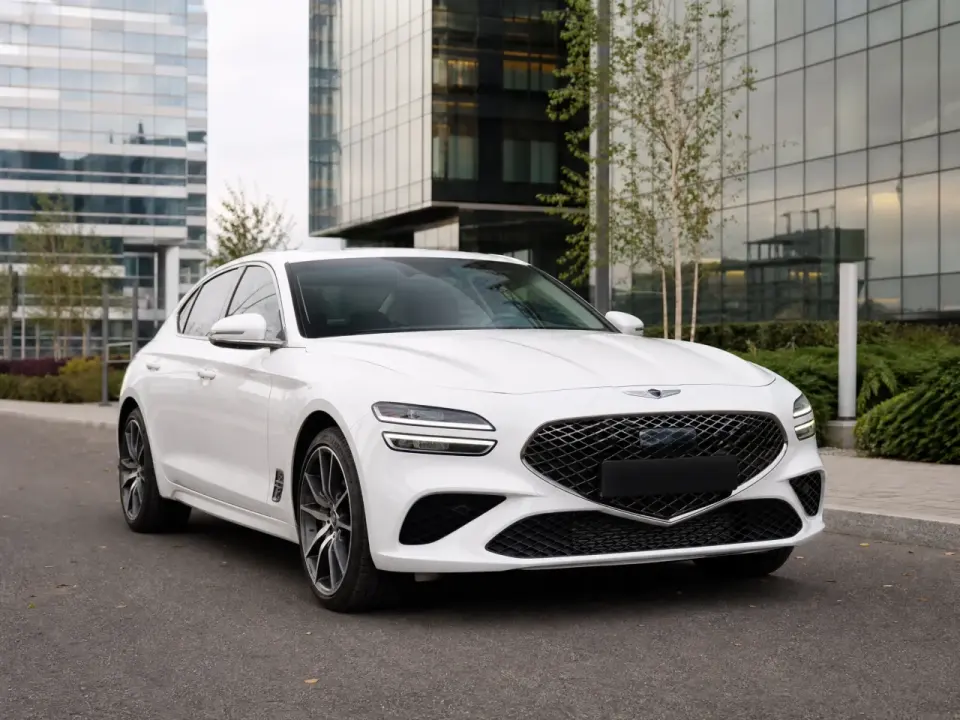
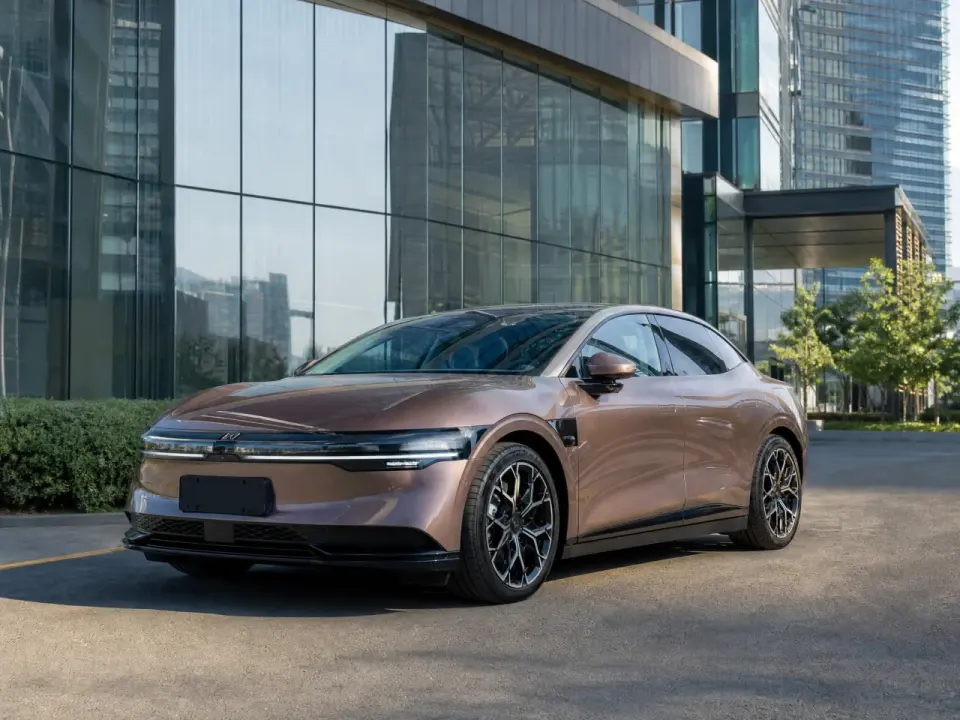
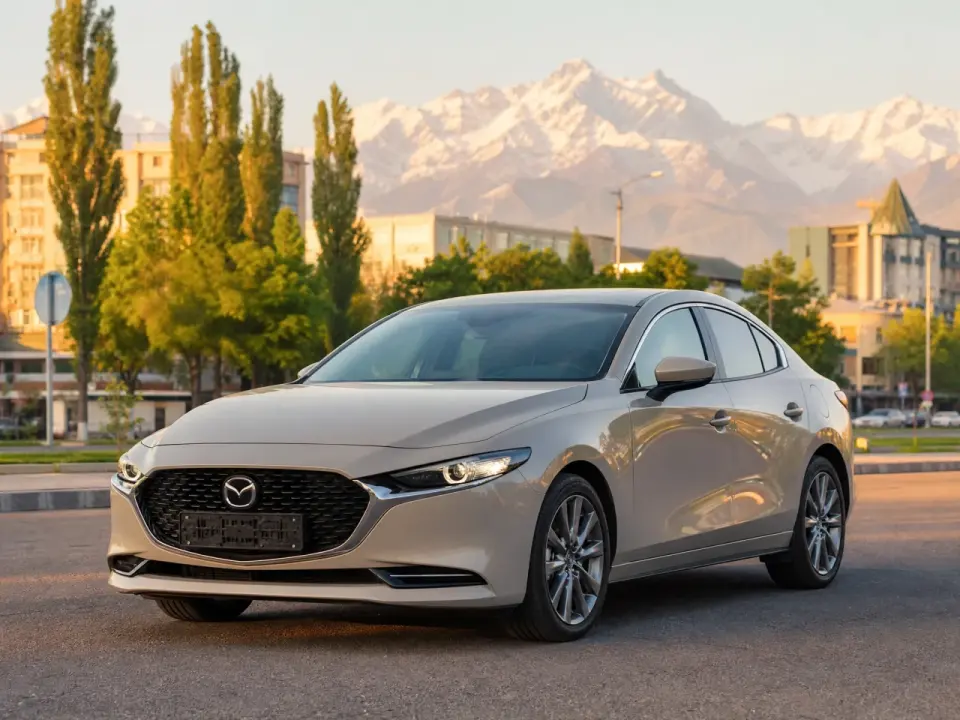






Long-term car rental in Almaty means a fixed daily rate for a month or more, full maintenance and insurance. Our fleet includes 8 models from Hyundai i20 to Volkswagen Arteon. We work directly, no intermediaries.
Let's break down how much long-term rental actually costs and compare it with alternatives — taxi and buying on credit.
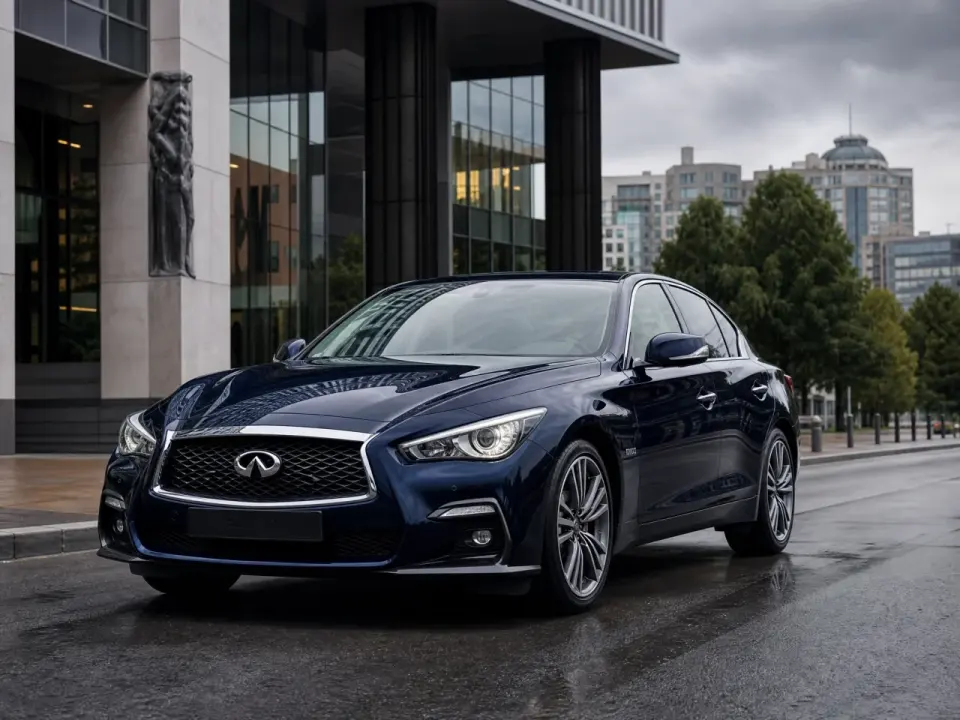
Long-term rental from Rent-Trip starts from 6,500 ₸/day for Hyundai i20 (Economy) and goes up to 30,000 ₸/day for Volkswagen Arteon (Business). In between — Skoda Rapid and Volkswagen Polo at 8,500 ₸/day, Nissan Sentra (10,500 ₸/day, Comfort), Geely Emgrand (14,000 ₸/day, Comfort), Lexus ES (28,000 ₸/day, Business) and Infiniti Q50 (29,000 ₸/day, Business). The monthly price is simple: multiply the daily rate by 30 — no surcharges for weekends or holidays. When renting for a month or more, the daily rate is fixed in the contract, and you don't pay for downtime or days when the car is parked — unlike daily rental where every day counts.
With daily trips around the city (work + personal errands), a taxi costs 15,000–25,000 ₸/day, while long-term rental from Rent-Trip starts at 6,500 ₸/day, saving up to 40%. The difference is especially noticeable when going out of town: a taxi ride to Medeu or Shymbulak costs from 5,000 ₸ one way, to Charyn Canyon — 25,000–30,000 ₸, and to Kolsai Lake — a full 40,000 ₸. With a monthly rental, you pay a fixed amount and can drive to the mountains every day — no extra charges for mileage. If your routes regularly include trips outside the city, a taxi becomes unbeatably more expensive than a monthly rental.
When buying a car on credit, the monthly payment for a Skoda Rapid (about 150,000 ₸) is comparable to a monthly rental (255,000 ₸), but the rental includes insurance, maintenance and repairs — the hidden costs of credit amount to another 30–50 thousand ₸/month. Insurance for a new car is 5–10 thousand ₸/month, seasonal tire change — 15–20 thousand ₸ twice a year, mandatory dealer maintenance — 30–50 thousand ₸ every 10–15 thousand km. Plus depreciation: a new car loses 15–20% of its value in the first year — that's 500–700 thousand ₸ loss upon resale. If you need a car for 6–12 months, renting is more profitable than credit — you don't pay for depreciation and don't lose on resale, and hidden costs are already included in the rate.
We'll tell you what documents are needed, whether you can rent without a deposit, and what rent-to-own is.
For long-term rental from Rent-Trip, you need an ID card and a driver's license — both documents must be valid for the entire rental period. We sign the rental agreement on-site at the office at [district]. If you are renting a car for a company employee, a power of attorney from the legal entity and the driver's ID are sufficient — we sign the contract with the organization, not the individual. For foreign citizens, we accept a foreign passport and a national driver's license (with a notarized translation if not issued in Russian or Kazakh). Before signing the contract, we check the documents through the Ministry of Internal Affairs database — this takes 5–7 minutes.
At Rent-Trip, a deposit is mandatory for all clients — the amount depends on the class and ranges from 50,000 ₸ for economy class to 200,000 ₸ for business class. For Hyundai i20 or Skoda Rapid, the deposit is 50,000 ₸, for Nissan Sentra — 80,000 ₸, for Lexus ES — 150,000 ₸, for Volkswagen Arteon — 200,000 ₸. The deposit is fully refunded upon return in the same condition — we do not withhold money for normal wear, minor interior dirt, or scuffs on the door sills. Exceptions are damages beyond normal wear: windshield chips, dents, torn upholstery. In such cases, deductions are based on a service estimate, not a flat rate.
Rent-Trip offers rent-to-own for clients planning to use a car for more than 12 months — part of the monthly payments goes toward future purchase. Terms: minimum rental period — 12 months, the buyout price is fixed in the contract and does not change. For example, you rent a Skoda Rapid for 255,000 ₸/month, after 12 months 40% of the amount paid (about 1,224,000 ₸) is credited as a down payment for the buyout. You pay the remainder in a lump sum or in installments over 6–12 months. This is convenient if you are unsure about the model: within 3–6 months of rental you will understand whether the car suits you in terms of comfort, fuel consumption and dimensions, and you can buy it out without overpaying for mileage.
Let's break down who pays for Sergek fines, what to do in case of a breakdown, and what pitfalls exist in long-term rental.
At Rent-Trip, Sergek fines are paid by the client if the violation occurred during their rental period — we forward the citation number and payment details via Kaspi.kz or Halyk Bank. The system works as follows: cameras capture the license plate, the citation is sent to the owner's registered address (Rent-Trip), we cross-check the date and time with the handover report and forward a copy of the citation to the client. You can pay online in 2–3 minutes — Sergek fines for speeding (from 5 MCI) or running a red light (from 10 MCI) arrive within 3–5 business days. If a fine arrives for a period before your rental or after return, we cover it — we verify the dates against the handover report and contest it through the Public Service Center.
In case of a breakdown during a long-term rental from Rent-Trip, call 24/7 support — we will arrange towing and repairs at our expense, and provide a replacement car during repairs. The tow truck arrives within 40–60 minutes in the city, repairs are done at trusted partner service centers with a warranty on work. A replacement car of the same class or one step lower is provided — approval takes no more than an hour. Repairs are not at your expense, even if the breakdown was caused by you (e.g., hitting a pothole or overheating the engine) — the only exception is an accident due to gross negligence (alcohol, speeding over 60 km/h, driving into oncoming traffic).
The main risks of long-term rental are hidden fees (insurance, maintenance, repairs) that some companies do not include in the base price, and penalties for early termination of the contract. The second common pitfall is mileage limits: some rentals restrict to 2,000–3,000 km/month and charge 10–15 ₸ for each extra kilometer. The third is condition: old cars with 150,000+ km may break down more often, and the service does not always provide a replacement. Always check what is included in the price: insurance (comprehensive or only mandatory liability), maintenance, seasonal tire changes — and document the condition in the handover report with photos.
Selection on the topic 'Long-term'. Rent-Trip's fleet includes 8 models in three classes. We'll tell you which option suits the city, the mountains, and business trips.
| Model | Price ₸/day | Fuel consumption | Mileage up to 100,000 km | For whom |
|---|---|---|---|---|
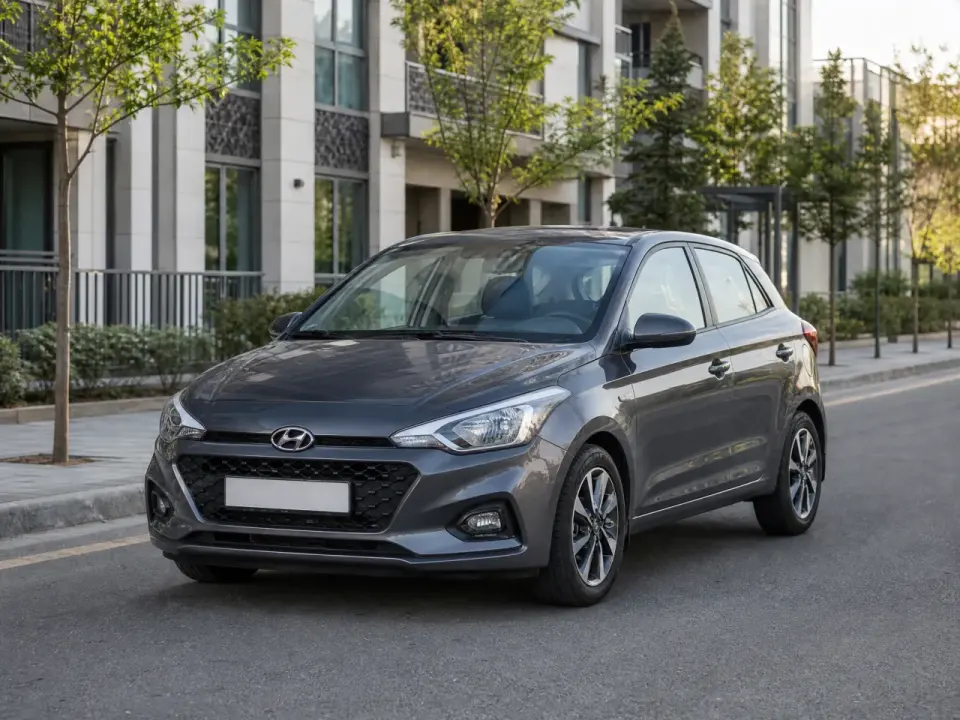
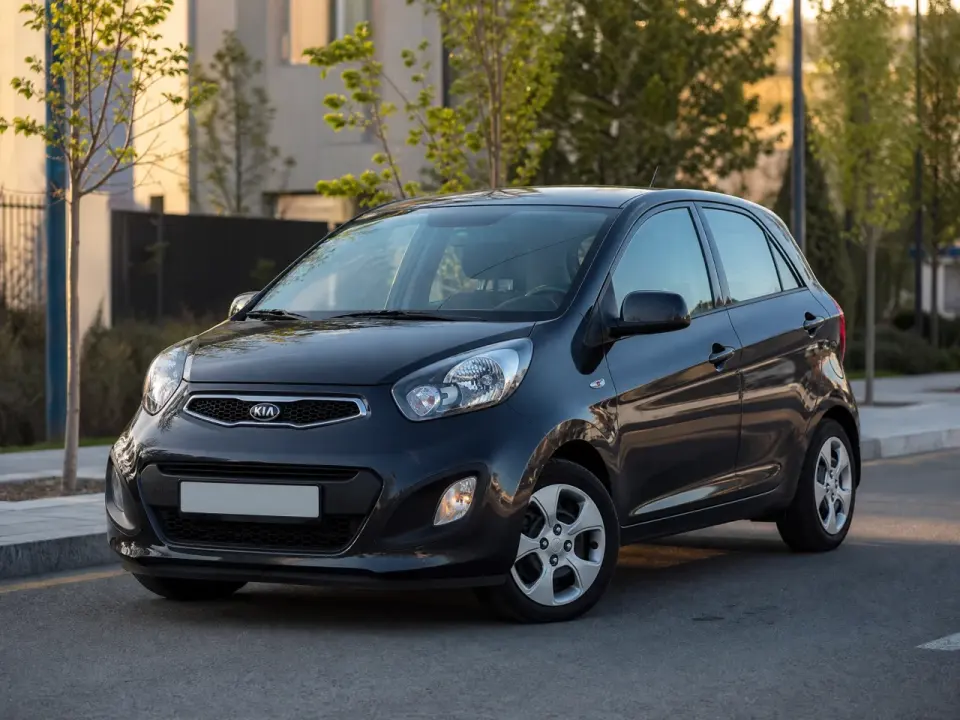
| Hyundai i20 | 6 500 | 6–7 L/100 km | Yes | Daily city trips, one or two passengers |
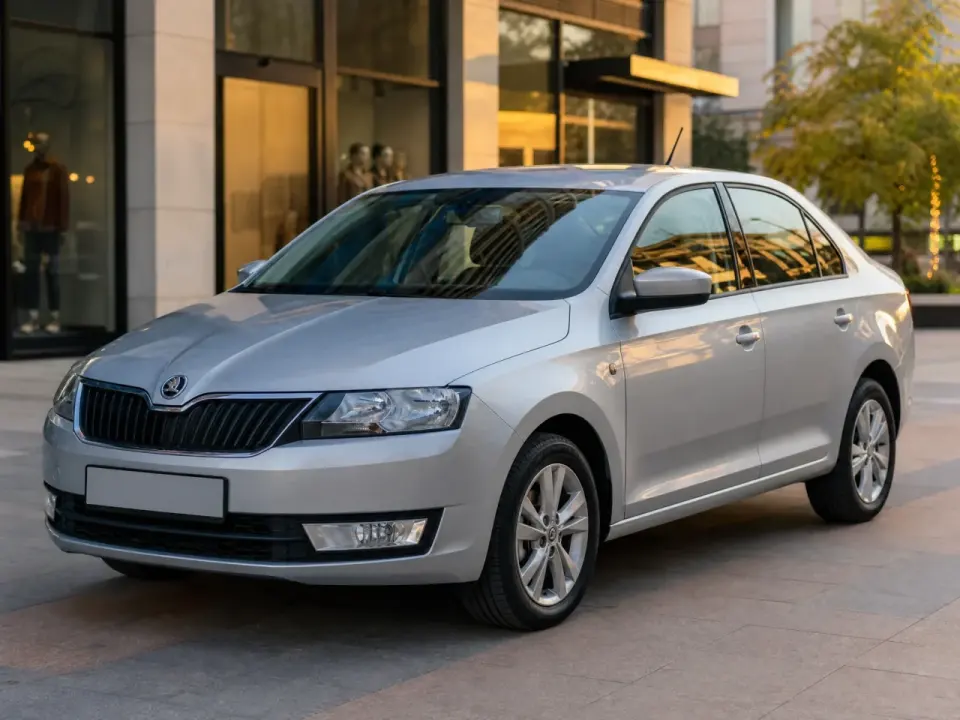
| Skoda Rapid | 8 500 | 6–7.5 L/100 km | Yes | Long trips, 530 L trunk, three passengers |
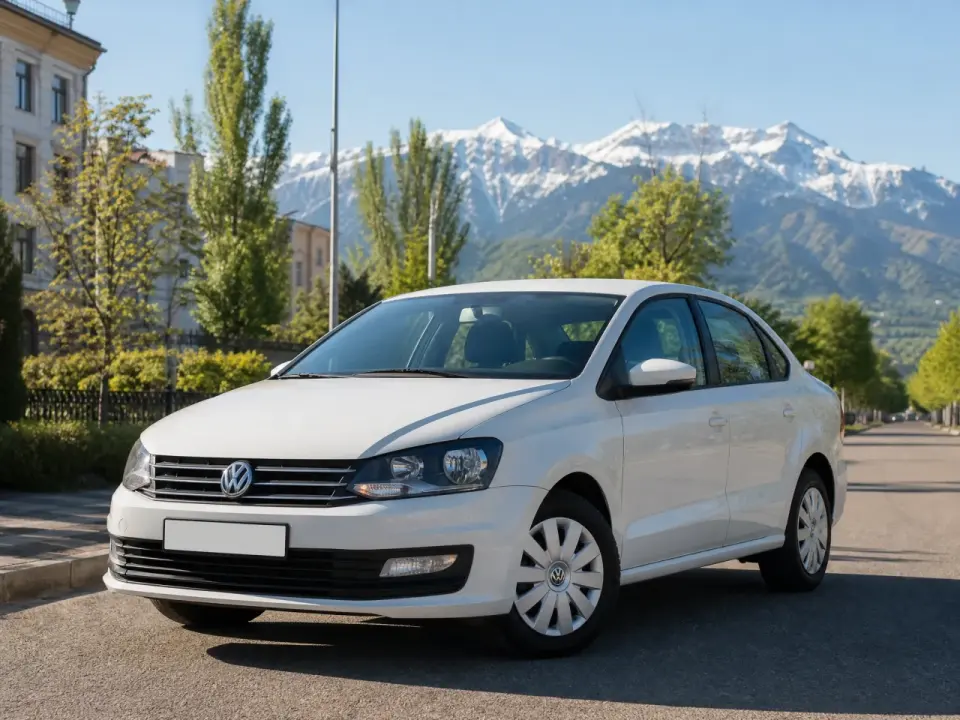
| Volkswagen Polo | 8 500 | 6–7 L/100 km | Yes | City + highway, reliable suspension for Almaty roads |
These models are the best choice for those looking for long-term rental on a minimal budget. The Hyundai i20 is maneuverable for narrow streets and parking in the center, but on the highway to Charyn it may lack power for overtaking. The Skoda Rapid is the most spacious in its class: a 530 L trunk allows you to carry a bicycle or large purchases. The Volkswagen Polo is the golden mean: its suspension is adapted to potholes and speed bumps in Almaty courtyards, and a ground clearance of 163 mm saves you on dirt roads to BAO.
| Model | Price ₸/day | Fuel consumption | Features |
|---|---|---|---|
| Nissan Sentra | 10 500 | 7–8 L/100 km | Climate control, cruise control, multimedia with Apple CarPlay |
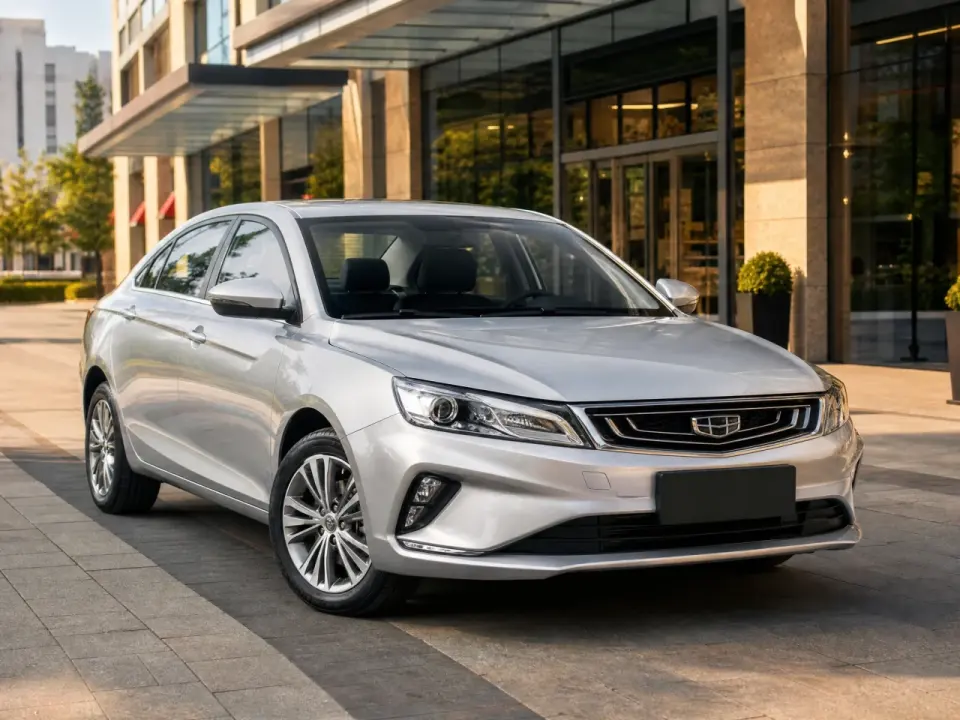
| Geely Emgrand | 14 000 | 7.5–8.5 L/100 km | Panoramic roof, 360° camera, heated seats and steering wheel |
Nissan Sentra is a versatile family option: spacious rear row, soft suspension, fuel consumption 7–8 L/100 km in the city. On the highway to Kolsay it holds 120–130 km/h without strain. Geely Emgrand is a new model with maximum features for the money: 360° camera simplifies parking downtown, heated steering wheel saves you in Almaty frosts, and the panoramic roof adds light to the cabin. The only downside is 140 mm ground clearance, so it's best not to take it on muddy roads to Medeu in the off-season.
| Model | Price ₸/day | Power | Features |
|---|---|---|---|
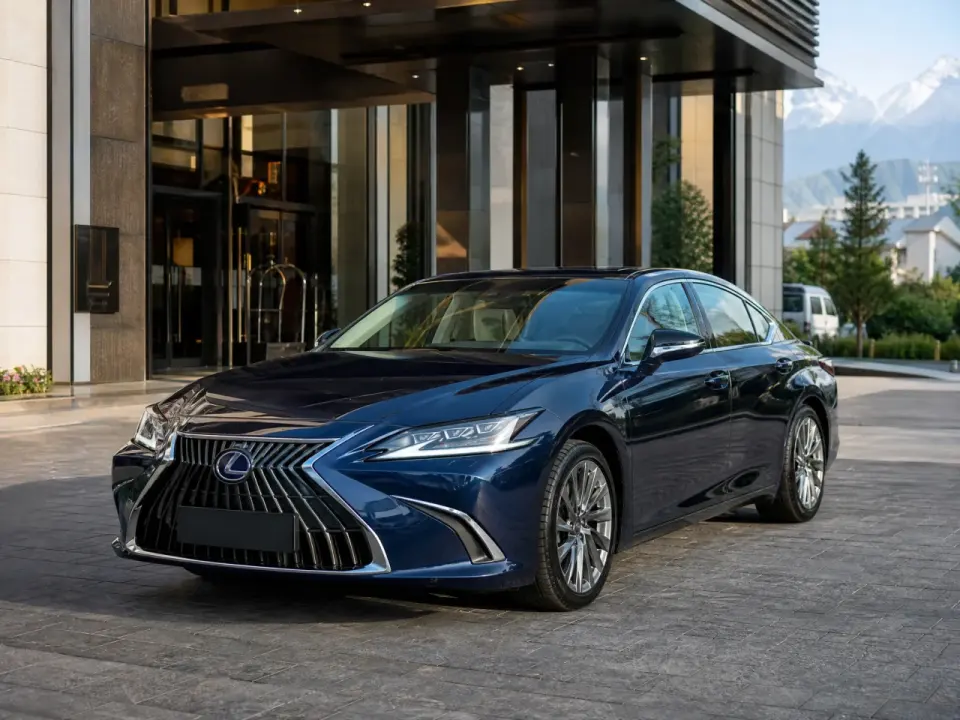
| Lexus ES | 28 000 | 200 hp | Leather interior, ventilated seats, premium Mark Levinson audio |
| Infiniti Q50 | 29 000 | 211 hp | All-wheel drive, adaptive cruise control, head-up display |
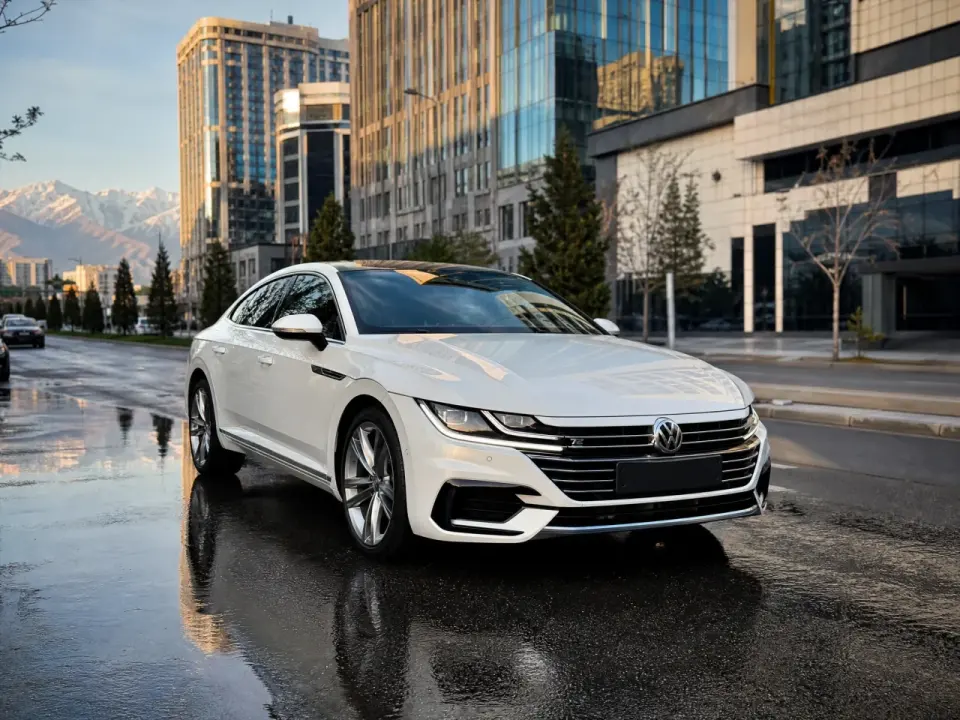
| Volkswagen Arteon | 30 000 | 190 hp | Panoramic roof, sport seats, dynamic DCC suspension |
Lexus ES is for business meetings and executive trips: quiet cabin, smooth ride, ventilated seats in hot weather. Infiniti Q50 with all-wheel drive is the choice for those who regularly drive to the mountains in winter: to Shymbulak or the Alma-Arasan gorge without issues. Volkswagen Arteon is the most dynamic option: 0–100 km/h in 7.8 seconds, sport suspension mode, but stiffer than the Lexus. In my opinion, for daily city driving the Arteon is overkill—its potential shines on the Almaty–Kapshagay highway.
To avoid disputes upon return, inspect the car together with the manager using a checklist. At Rent-Trip, the handover process is standardized and takes 20–30 minutes.
All defects are entered into the handover report and photographed—this is your protection upon return. If you notice damage after signing the report, immediately inform the manager—we will take photos and make amendments.
Before signing the contract, be sure to take a 5–10 minute test drive — feel how the car behaves on the road. If something bothers you (noise, vibration, smell), ask to swap for another model of the same class — at Rent-Trip this is free if one is available.
In our practice, there was a case: a client returned the car after a month, and we found a scratch on the rear bumper that wasn't in the report. He showed photos with timestamps — it turned out the scratch was noticed during pickup but forgotten to be recorded. We reviewed the photos and confirmed the defect — the deposit was fully refunded. Photos are your insurance.
Long-term rental means a predictable budget, no hidden repair or insurance costs, and the ability to change models by season or need. The main thing is to carefully check the contract, inspect the car using the checklist, and record all details in the acceptance certificate. If you plan to use a car for a month or longer, renting is cheaper than taxis and safer than credit — you only pay for what you actually use.
For rental, you need an ID card and a driver's license (both valid for the entire term). For foreigners — a passport and national license with notarized translation. Companies can rent for an employee by power of attorney.
The deposit depends on the car class: from 50,000 ₸ for economy class to 200,000 ₸ for business class. It is fully refunded upon returning the car in the same condition, except for damage beyond normal wear and tear.
The monthly price is calculated as the daily rate × 30 with no markups. For example, Hyundai i20 — 195,000 ₸/month, Skoda Rapid — 255,000 ₸/month, Lexus ES — 840,000 ₸/month. All inclusive: insurance, maintenance, repairs.
Yes, we can deliver the car to your home or office in Almaty. Delivery is free within the city. Airport pickup is also possible by prior arrangement.
Long-term rental is beneficial for daily city trips, taxi work, business trips, mountain trips (Medeu, Shymbulak, Charyn) or traveling to Kyrgyzstan. It saves up to 40% compared to taxis and eliminates credit expenses.